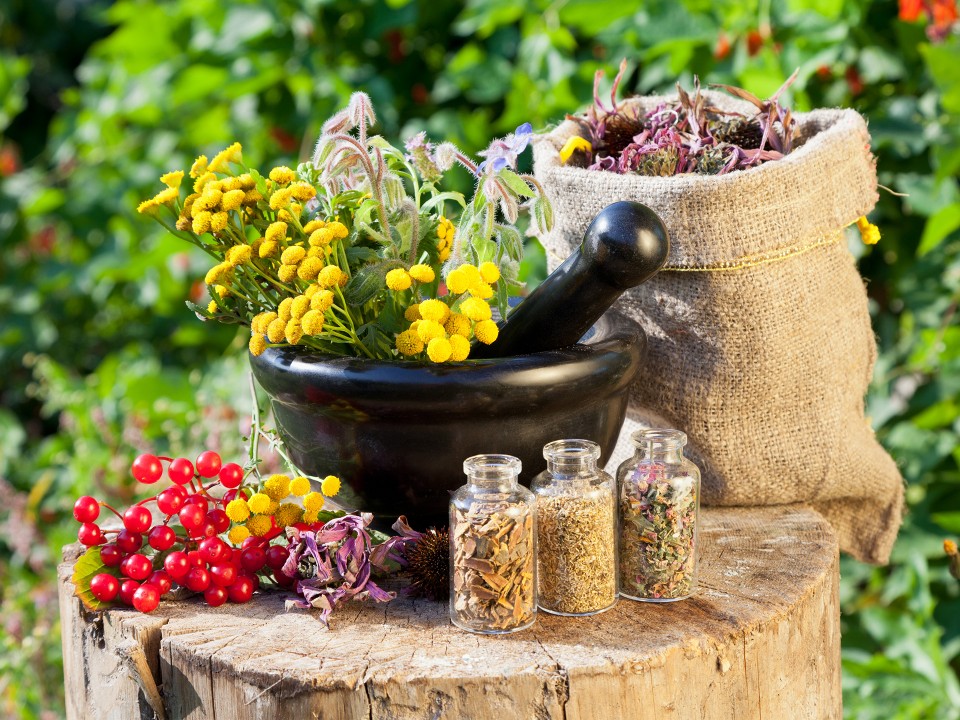
I love herbs. I love their scent, the different shapes of their leaves, and the way something so small can invite us to stop and pay attention. My respect for Mother Nature is part of my spiritual life. So is my interest in organic food and in knowing where the things I bring into my home come from.
When I write about herbs for spiritual awakening, I mean plants we may include in moments of prayer, reflection or quiet. Some have a place in religious traditions. Some have been studied for stress or sleep. Others are surrounded by claims that deserve a closer look.
There is no established scientific evidence that a herb causes spiritual awakening, opens a chakra or brings us closer to the divine. That does not take away the meaning a plant may have for us. I can respect a herb, enjoy its presence and learn about its history without expecting it to produce a spiritual experience. This guide looks at ten plants often mentioned in that conversation. It is a place to begin learning, rather than a list of things you need to buy or take.
What do we mean by spiritual herbs?
“Spiritual herbs” is a broad expression. It can refer to plants used in a particular religious practice, herbs associated with symbolic meanings, or simply plants someone chooses for a personal ritual. Those meanings are not interchangeable. A sacred plant in one tradition has its own history and context. I want to approach those traditions with respect, rather than gather them into a single story about awakening. For me, a connection with nature can also be very ordinary. Growing a plant. Learning its name. Noticing new leaves. Preparing a cup of tea and allowing myself to sit down while it cools.
10 Herbs That Help During Spiritual Awakening
1. Tulsi, or Holy Basil
Tulsi is sacred in Hindu traditions. That religious significance deserves to be understood on its own terms, rather than reduced to a promise about “higher vibrations.”
Tulsi is also used in herbal tea. Research on a particular concentrated extract has reported improvements in stress-related outcomes, although those findings cannot establish the effects of every product or of an ordinary infusion. [1]
If tulsi tea is suitable for you, it can be part of a quiet morning. You might sit for a few minutes before reaching for the phone. There is no special affirmation to get right.
2. Blue Lotus
Blue lotus is often described online as a plant for dreams, visions and meditation. I would be careful about accepting those descriptions as evidence of what consuming it will do.
Published case reports describe intoxication after ingestion or inhalation of products sold as blue lotus. They do not establish that every preparation has the same effects, but they are a reason to avoid treating it as a harmless bedtime tea. [2]
I would not recommend taking blue lotus for spiritual awakening. You can appreciate a flower or explore its imagery without consuming it.
3. Lemon Balm
Lemon balm has a place in everyday herbal traditions. Its use for mild stress and to aid sleep is recognized by the European Medicines Agency on the basis of long-standing use. That is a traditional-use assessment, rather than proof that it treats anxiety or depression. [3]
A cup of lemon balm tea may be an enjoyable part of an evening, if suitable for you. The quiet around it matters too: putting work aside, finding a comfortable place to sit, and giving yourself permission to leave something unfinished.
Choose a product intended for drinking and follow its directions. If you take medication or have a health condition, ask a pharmacist about suitability.
4. Mugwort
Mugwort is often associated with dreams in contemporary herbal and spiritual writing. Those associations should not be presented as proof that it creates lucid dreams or brings messages during sleep.
NCCIH notes that research on mugwort is limited and advises against its use during pregnancy. It may also cause allergic reactions. [4]
I would leave out the instruction to burn it before bed. A smoke-filled room is unnecessary for reflection, and there is no need to take a herb to keep a dream journal. Writing down what you remember in the morning is enough to begin.
🛒 Buy Mugwort »
5. Ashwagandha
Ashwagandha has a long history in Ayurveda and is often marketed for stress. Some preparations may help with stress or insomnia, but it is not a treatment for spiritual awakening. [5]
It also has important limitations. NCCIH advises against its use in people with thyroid or autoimmune disorders and during pregnancy or breastfeeding. It can interact with medicines, and rare liver injuries have been reported. [5]
Respecting a plant includes learning when it is unsuitable. I would not suggest adding ashwagandha powder to an evening drink without checking that first.
6. Gotu Kola
Gotu kola appears in herbal discussions of memory and meditation. However, a systematic review found no strong evidence for improvements across cognitive domains. It should not be described as reliably sharpening the mind or deepening awareness. [6]
If your interest is meditation, you can begin without a tincture or powder. Sit somewhere comfortable and notice what is happening within you. You do not need to make your mind empty before you are allowed to start.
🛒 Explore options »
7. Damiana
Damiana is often marketed in connection with sensuality and mood. I would not turn those descriptions into a promise that it will restore joy, heal emotional distance or awaken the heart.
Those are personal experiences, and a product description cannot tell us how someone will feel. I am keeping damiana in this guide because readers may encounter it in spiritual herbal lists, rather than recommending it for awakening.
If it interests you, investigate the particular preparation and discuss its suitability with a qualified healthcare professional. A herbal blend is not automatically appropriate because it is sold for a ceremony.
8. Passionflower
Passionflower has been studied for anxiety and sleep, but research is limited and does not allow firm conclusions. It may cause drowsiness, dizziness or confusion. It should not be used during pregnancy and needs particular caution with medicines or procedures involving sedation. [7]
For that reason, I would not suggest combining it with several other calming herbs as a general bedtime routine.
If you use an appropriate preparation after checking suitability, follow its directions. A racing heart, persistent insomnia or significant distress should not automatically be interpreted as part of awakening; those experiences deserve medical attention when needed.
9. Rose
Rose is a flower I can include here without asking it to perform a miracle. A rose on the table, its scent, or petals pressed between the pages of a notebook can have personal meaning.
You may associate it with love, remembrance or kindness toward yourself. That symbolism can belong to your reflection without becoming a claim that rose treats grief or heals emotional wounds.
If you choose rose tea, use petals or a product intended for food use. Flowers from a florist are not automatically suitable for eating, and a facial mist is not a drink.
10. Peppermint
Peppermint brings a familiar scent to gardens, kitchens and teas. It can be part of an ordinary pause in the day without being described as clearing an energetic field.
Its different preparations should not be confused. Peppermint tea and concentrated essential oil are not interchangeable. Research on peppermint oil largely concerns digestive conditions, rather than spiritual awareness. The oil can cause heartburn or reflux. [8]
Use leaves or tea products intended for drinking. Do not add aromatherapy essential oil to water or swallow it as part of a ritual.
A simple herbal ritual, without pressure
You do not need an elaborate routine. Choose a plant you want to learn about. If you plan to drink it, check that the product and preparation are suitable for you. If you prefer to grow it or simply enjoy its presence, that is a way of connecting too.
I appreciate organic food and herbs, but an organic label does not make every plant safe to take. Botanical identity, the part used, preparation and quality still matter. Clear information from a supplier is more useful than promises about spiritual power.
You might place a plant near the window, prepare a suitable tea, or spend a few minutes outside. Notice the texture of a leaf, the weather, or the thoughts that keep returning. There is nothing you have to experience.
For me, gratitude toward Mother Nature belongs in these small moments. I do not need to explain everything before I can feel that respect.
Common questions
What are the best herbs for spiritual awakening?
There is no scientifically established ranking. Tulsi has religious significance in Hindu traditions, while familiar plants such as rose or lemon balm may have a place in someone’s personal practice. What is meaningful to you and what is safe to consume are separate questions.
Can herbs open chakras or activate a light body?
These are spiritual beliefs, not established medical effects. A person may include plants in a practice connected with those beliefs, but it would be misleading to promise that a tea or supplement causes activation.
Do I need to take herbs to feel grounded?
No. For me, hugging a tree or walking on grass helps tremendously, especially when I feel energy flowing strongly through my body. I feel more settled and connected to the earth.
Herbs help me too, but which ones feel helpful is individual. What works for me may not suit someone else, so personal experience matters alongside understanding each herb and whether it is safe to use.
Can I combine several herbs?
Yes. My golden rule is to keep a blend to no more than three herbs, chosen with calming, healing and rejuvenating intentions. I like that simplicity, but it is my personal approach rather than a guarantee of safety or results. The herbs, amounts and any medicines you take still matter, so check an unfamiliar blend with a pharmacist or qualified herbal practitioner.
Returning to nature
My love of herbs is part of a wider love of nature. I want to understand plants, care for them and treat them with respect. I also want to be honest about what I know and what I am still learning.
A spiritual path can include questions, uncertainty and days when nothing feels particularly clear. A plant can still have a place in those days. We can care for it, learn from observing it, and enjoy its presence without expecting it to change everything within us.
Sometimes that is where I would like to begin: with attention, gratitude and a little time.
Before taking herbal products: Speak with a pharmacist or healthcare professional if you take medication, are pregnant or breastfeeding, have allergies or live with a health condition. Spiritual reflection can sit alongside appropriate medical and mental health care.
As an Amazon Associate I earn from qualifying purchases.
Further reading
- 10 Herbs for Mental Clarity: Memory, Focus and Calm
- What Is Light Body Activation?
- Birthdays, Childhood Trauma, and Learning to Let Go