There is a specific kind of exhaustion that doesn’t look like a breakdown.
On the surface, you’re fine. You answer emails, join meetings, and hit your deadlines. You even manage to be polite and smile at the right moments. But by 6:00 PM, your mind is still racing, your neck is a knot, your shoulders are tight, and the smallest thing feels bigger than it should and like a personal attack.
That is the state more people are living in now. This isn’t just a “tough week” anymore; it’s the baseline for many people. Recent data from across North America and Europe shows that stress is no longer just a busy-season complaint. It has become part of daily corporate life.
In Canada, nearly 40% (four in ten employees) of workers say they feel burnt out. Across Europe, anxiety remains one of the weakest mental-health markers among workers. In the States, job insecurity is now one of the most significant sources of employee stress. That combination creates a familiar pattern: people feel overstimulated all day, mentally flat by evening, and still unable to truly power down.
What I keep seeing is that people rarely describe this feeling as a “mental health issue” when they talk about this. Instead, it sounds like:
- “I just can’t switch off.”
- “I’m exhausted, but I can’t sleep. I am wide awake at 2:00 AM.”
- “My brain feels foggy.”
- “I’m snappy for no reason.”
- “I wake up tired.”
That matters because it changes how people search for help.
They are not necessarily Googling clinical definitions, such as “burnout symptoms.” They are searching for “best tea for stress,” “natural sleep support,” “why am I tired but wired,” “calm focus at work,” or “how to relax after work naturally.” That is one reason stress-support supplements, calming teas, and sleep-support products continue to get so much commercial attention.
The demand isn’t some marketing trend, and it isn’t theoretical anymore—it’s a massive group of people looking for a way to cope. Canada is seeing stronger demand for stress-support products, and publishers are filling search results with stress-relief lists because they know people are looking.
But here is the part that should be said honestly: A cup of tea cannot fix a toxic boss.
No herb fixes a toxic workload.
No tea solves a manager’s problem.
No supplement should be sold as a substitute for medical care.
The strongest workplace solutions are still the least glamorous ones: better support from managers, flexible schedules, personal time off, paid time off, and faster access to proper mental-health care when someone needs it. The Canadian data is especially clear on this point. Practical help will always beat a “wellness” gift bag.
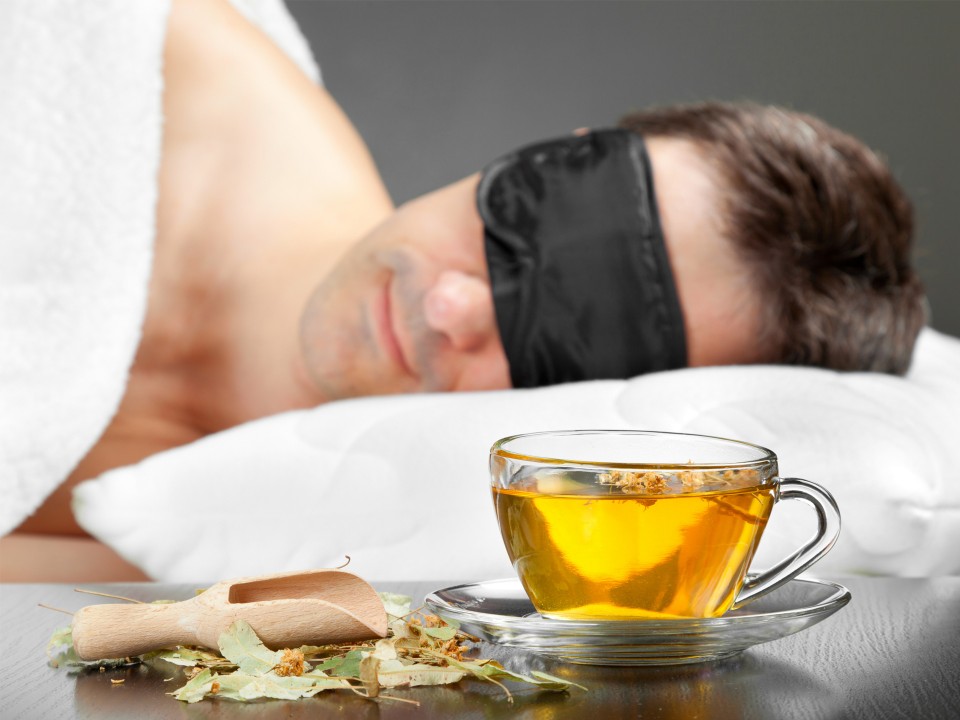
That said, daily habits still matter. Not everyone who is struggling is in a full-blown crisis level. Many are just stuck in the gray zone before that: strained, overstimulated, sleeping poorly, and trying to stay functional. This is exactly where natural wellness routines often become relevant. Not as a cure-all. As support and to signal to your body that the day is over.
An evening routine that isn’t chaotic, like a calming tea, a consistent bedtime routine, or a focus on ingredients people already recognize for stress and sleep support. A gentler way to end the day.
Feeling Stressed or Unable to Switch Off? Find What May Help You Unwind
If your mind is still racing after work or your sleep feels light and restless, these herbal options may help support calm, focus, and recovery.
- Ashwagandha
Supports ongoing stress and inner tension - Lemon Balm Tea
Helps signal your body to slow down in the evening - Rhodiola
Supports mental clarity when you feel drained - Passionflower
For nights when your body is tired but your mind is not
(This article may contain affiliate links. I only share what feels aligned and useful.)
We don’t need more content about “optimizing” our lives or “hacking” our productivity.
That is why I believe the next wave of wellness content needs to sound more grounded and less theatrical. People do not need another lecture on “optimizing” themselves. They need help building a calmer life around real pressure. For a corporate worker, the first win is often not becoming a new person. It is being able to end the workday without carrying it into the night—and stop thinking about work when they clock out.
That is a much more honest promise. And it is where natural wellness still has something useful to say. It just needs to be practical. Because right now, one of the most common struggles in modern work is not laziness, lack of ambition, or poor discipline. It is a nervous system that has forgotten how to switch off.